
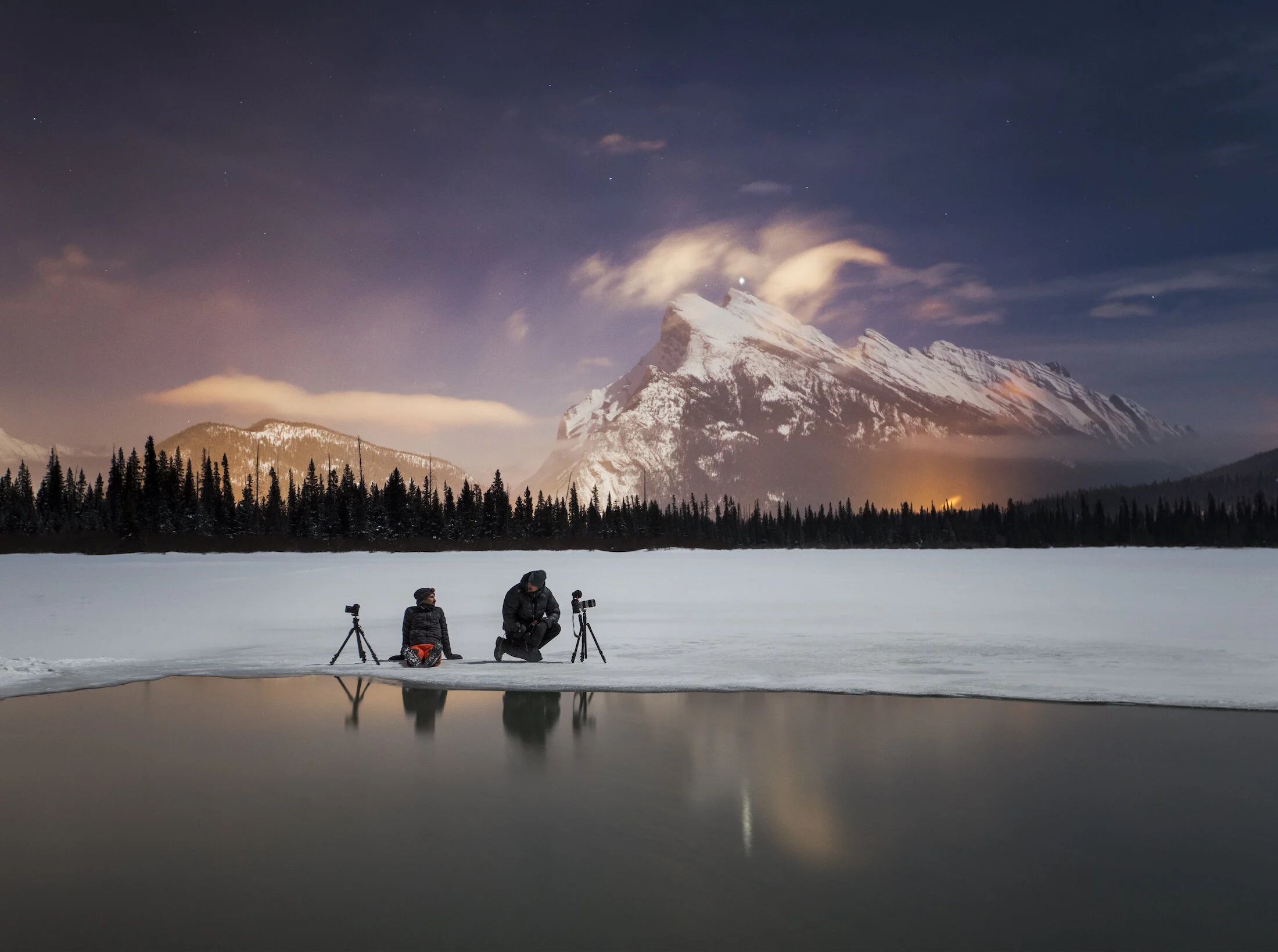

Photo Tips for Capturing the Northern Lights
I frequently get asked for tips on how to photograph the aurora borealis. Capturing the dancing lights is a fine science of checking the data, ensuring you have optimal conditions, knowing your gear, and being ready to wait... and wait... and wait. It takes patience to capture that green glow and come home with images you're happy with. Here are some of my best tips.
I frequently get asked for tips on how to photograph the aurora borealis. I’ve written a whole eBook about it (check out Paul Zizka’s Guide to Viewing and Photographing Northern Lights), but here’s a little snippet for you! Capturing the dancing lights is a fine science of checking the data, ensuring you have optimal conditions, knowing your gear, and being ready to wait... and wait... and wait. It takes patience to capture that green glow and come home with images you're happy with.
Here are some of my best tips:
1. Don’t forget everything else you know about photography.
The first time you shoot the lights, you’ll probably be thrilled with any image that shows a touch of green. Focusing, composing, etc. are afterthoughts. With time, though, try to reintegrate all of the other photographic skills you’ve acquired on your journey. Shoot the way you would anything else: compose with intention, pay attention to flow and weight in your composition, get to know your subject, simplify, see if you can tie in that aurora with a foreground. A well-executed image of a weak aurora showing is more powerful than a clunky shot with a powerful display.
→ Save 25% off my online astrophotography course:
Shooting Stars: The Art of Astrophotography (just $36.75 CAD)
2. Be adaptable.
The aurora is a fickle phenomenon. Not only does it constantly appear and disappear, but it can also move around in the sky. And sometimes it doesn’t show up at all! Whatever hand you are dealt out there, make the most of it. If the lights don’t appear, strive to create and go home with the memories of a beautiful night out. If the lights move outside of your frame by the time you’re ready to shoot, take it as a great test on your way to become a versatile, quick-thinking photographer.
3. Don’t go home with overly dark images.
This is a very common pitfall for most aurora photographers. Because we are surrounded by darkness, the image that first pops up on our LCD can look much brighter than it actually is. In fact, it may be severely underexposed, a fact you might only realize too late once you’re sitting at home. An easy way to avoid that issue is to rely on the histogram to get a true representation of how bright your image really is. Often I find people are quite surprised to find that they need to at least double their shutter speed or ISO.
Coming to the Rockies this year? The ebook contains an index of the best places to shoot the aurora borealis between Banff and Lake Louise (save 10% with the code AURORA). You might find some helpful tips in there!

Photo by Paul Zizka.
Did You Know?
The word "aurora" comes from the Roman goddess of the dawn, Aurora, who would travel east to west announcing the sun's arrival.
The cause is not 100% understood, but the Aurora Borealis (and Australis in the Southern Hemisphere) appear when solar wind (gas emitted by the Sun) interacts with the Earth's magnetosphere.
The colours are caused by various factors, such a whether electrons collide with oxygen or nitrogen and at what intensity. Oxygen will emit green/yellow or red; nitrogen will emit blue and the other colours are caused by a blending of the two.
Facts from Wiki.
More Reading
→ Check out my 10 Favourite Places to Shoot the Northern Lights
→ Check out these Aurora Watching Web Resources
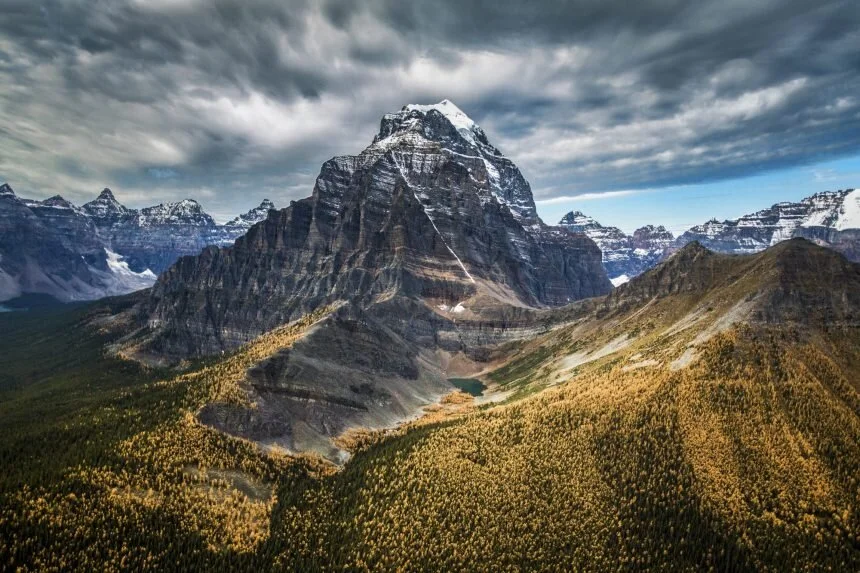
11 Larch Images to Ring in the Fall
Larch trees are one of the only conifers that do not lay claim to the ‘evergreen’ title. These unique trees are well known for lighting up fall in the Canadian Rockies by turning their regularly green, soft needles vibrant yellow before shedding them completely to tuck in for winter. Igniting the landscape for a short season each year, they are a stunning subject for photography, and one of my personal favourites.
Larch trees are one of the only conifers that do not lay claim to the ‘evergreen’ title. These unique trees are well known for lighting up fall in the Canadian Rockies by turning their regularly green, soft needles vibrant yellow before shedding them completely to tuck in for winter. Igniting the landscape for a short season each year, they are a stunning subject for photography, and one of my personal favourites.
What’s your favourite larch image? Let me know in the comments!
All images in this gallery are available as stock or limited-edition prints. Please contact us with any inquiries.
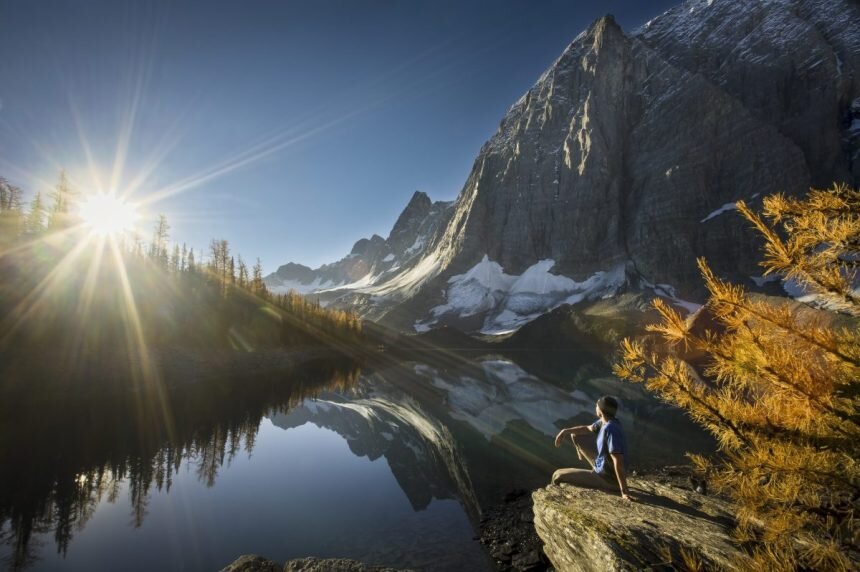
Sun bursting at Floe Lake, Kootenay National Park. Photo by Paul Zizka Photography.

"Autumn Hues." From Panorama Ridge, looking down towards the Lower Consolation Lake. Photo by Paul Zizka Photography.

Sunshine Meadows/Mount Assiniboine Provincial Park, British Columbia, Canada. Photo by Paul Zizka Photography.
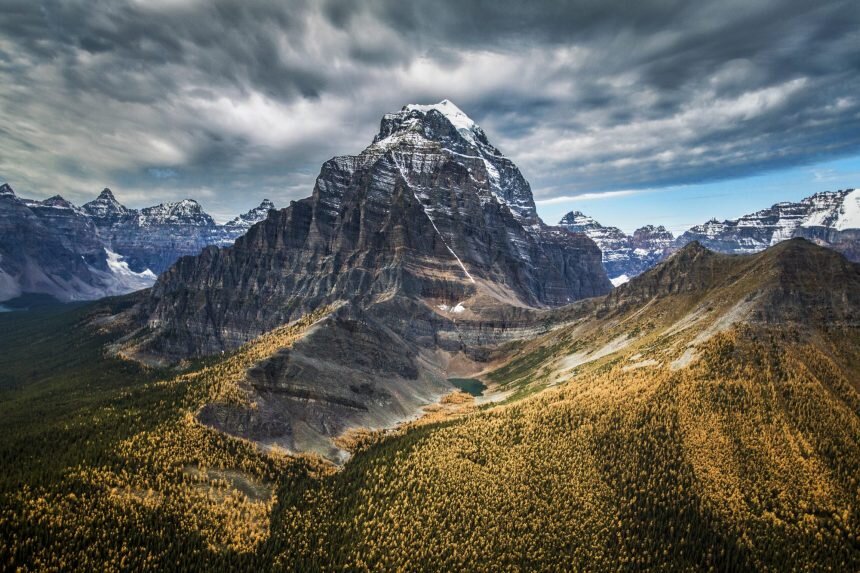
Aerial of Mount Temple, Banff National Park. Photo by Paul Zizka Photography.
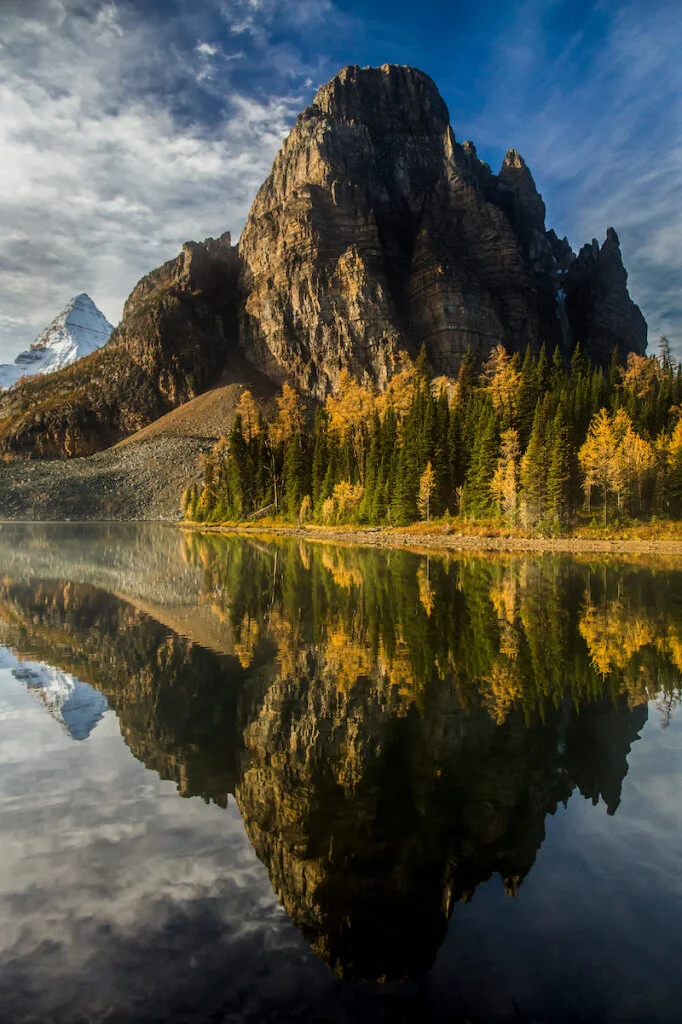
Shoreline larches at Sunburst Peak, Mt. Assiniboine Provincial Park. Photo by Paul Zizka Photography.

Cathedral Peak, Lake O'Hara, Yoho National Park. Photo by Paul Zizka Photography.

Aerial view of (L-R) Lake Louise, Mirror Lake and Lake Agnes, Banff National Park. Photo by Paul Zizka Photography.
Check out eBook: Paul Zizka’s Guide to Photography in the Canadian Rockies for the inside scoop on the best spots to choose autumn colours between Banff and Lake Louise. Use code FALL20PZP to get 20% off!

Clouds rising over golden larches, Mount Assinboine Provincial Park, British Columbia, Canada

The Lone Larch, Kootenay National Park. Photo by Paul Zizka Photography.

Zigadenus and Myosotis Lakes, Banff National Park. Photo by Paul Zizka Photography.

"Autumn Gold." This shot was taken by Eiffel Lake, on the way to Wenkchemna Pass. Photo by Paul Zizka Photography.
→ Click here to download wallpaper for your iPhone, Desktop or Tablet.
All images in this gallery are available as stock or limited-edition prints. Please contact us with any inquiries.
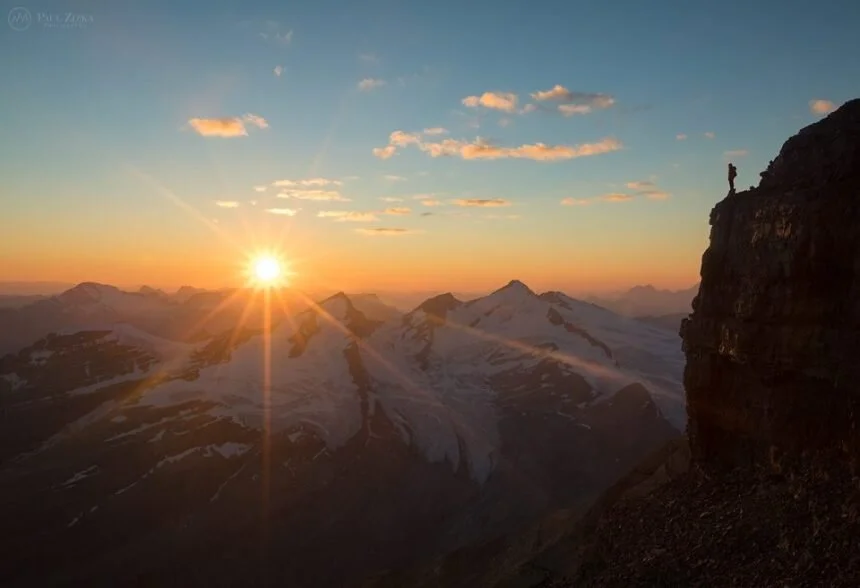
15 Images to Get You Stoked for Summer in the Canadian Rockies
The air is warm, snow is melting, wildflowers are sprouting, and lakes have returned to their vibrant blues. Summer in the Rockies is prime time for photography, and as locals know it can be extremely short-lived.
The air is warm, snow is melting, wildflowers are sprouting, and lakes have returned to their vibrant blues. Summer in the Rockies is prime time for photography, and as locals know it can be extremely short-lived. I personally don't take on a whole lot on the work front between now and September as I try to carve out creative and exploratory time with the camera. Here's to a lengthy, colourful, adventurous summer season that is full of possibilities!
I hope these images encourage you to find your next adventure in the Canadian Rockies, whatever that looks like for you. We can always go further, see what's around the next corner, stay up a bit later, and discover something new.
What's your favourite spot in the Canadian Rockies? Tell me in the comments!
All images in this gallery are available as stock or limited-edition prints. Please contact us with any inquiries.
Click any image to enlarge.


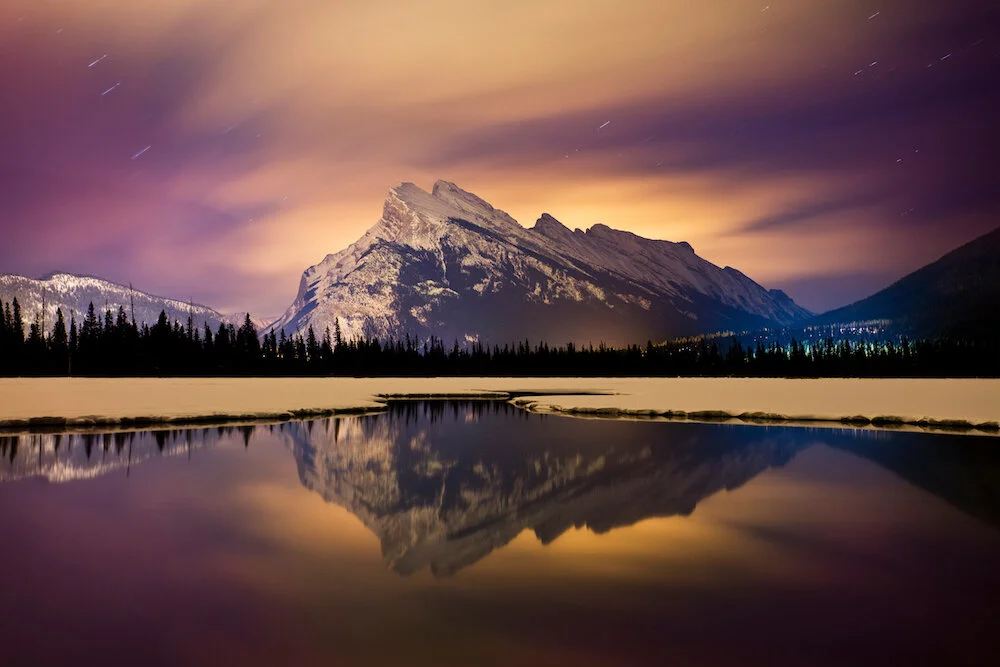
All images in this gallery are available as stock or limited-edition prints. Please contact us with any inquiries.

Land of Mystery: Easter Island
For a photographer, there is potential not just in capturing these ancient relics and photogenic statues, but also in the surrounding landscapes. Simply put: Easter Island is a beautiful place, with a rugged coastline, volcanic features, a gentle interior where wild horses roam, and turquoise-blue seas.
Easter Island, a relatively small speck of land remotely situated 3,512 kilometres off the coast of Chile, has intrigued travellers for centuries. Also known as Rapa Nui, the island and its history have a way of capturing the imagination of anyone who visits. A thousand Moai, enormous rock statues standing several metres high, "inhabit" the island. The work involved in carving a single statue is unfathomable. How they were transported and placed atop their Ahu (platforms), often tens of kilometres away from the rock quarry, remains one of the world's great unsolved mysteries.
For a photographer, there is potential not just in capturing these ancient relics and photogenic statues, but also in the surrounding landscapes. Simply put: Easter Island is a beautiful place, with a rugged coastline, volcanic features, a gentle interior where wild horses roam, and turquoise-blue seas.
With Polynesian roots and a more modern-day Chilean influence, Rapa Nui has a unique blend of cultures, food (hello, ceviche) and language. It is a remarkable place that truly lives up to its reputation. Here is a body of work from my visit back in February 2019!

Travelling Moai. Photo by Paul Zizka Photography.

Sunset at Ahu Tahai. Photo by Paul Zizka Photography.
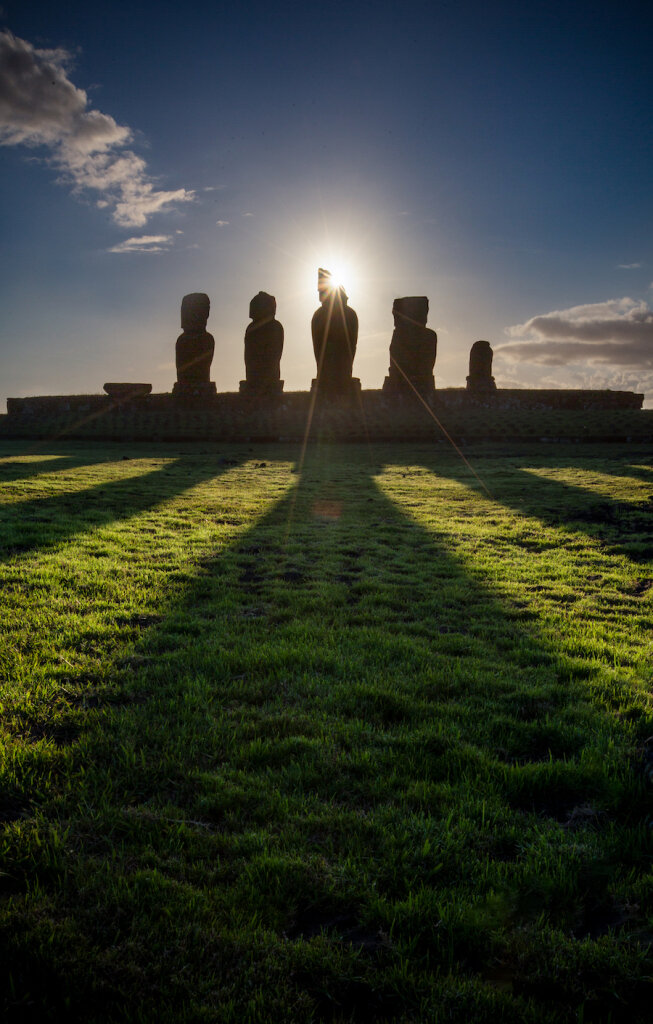
Sunset at Ahu Tahai. Photo by Paul Zizka Photography.

Moai at Rano Raraku. Photo by Paul Zizka Photography.

Rano Raraku. Photo by Paul Zizka Photography.

Self-portrait at Rano Kau. Photo by Paul Zizka Photography.

Poiku Peninsula, the wildest part of Easter Island. Photo by Paul Zizka Photography.

Poiku Peninsula, the wildest part of Easter Island. Photo by Paul Zizka Photography.

Poiku Peninsula, the wildest part of Easter Island. Photo by Paul Zizka Photography.

Colours of Ovahe. Photo by Paul Zizka Photography.

The islet of Motu Nui from Orongo. Photo by Paul Zizka Photography.

Sunrise at Tongariki. Photo by Paul Zizka Photography.

The wild coastline of Easter Island. Photo by Paul Zizka Photography.

Wild horses near the coast. Photo by Paul Zizka Photography.
All of these images are available as limited-edition prints in a variety of sizes and formats. Check out our Prints page for more information!

Ana Kakenga, a lava tube near the coast. Photo by Paul Zizka Photography.
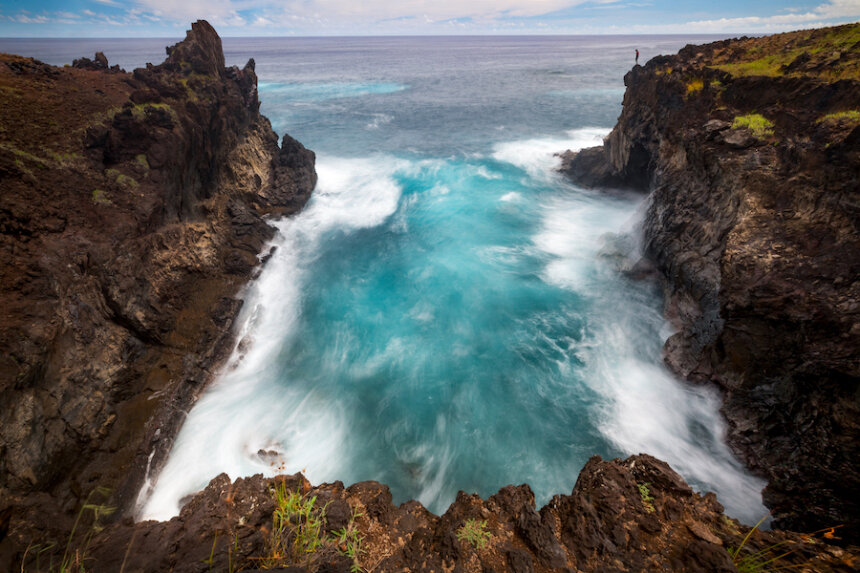
Ana Kakenga, a lava tube near the coast. Photo by Paul Zizka Photography.
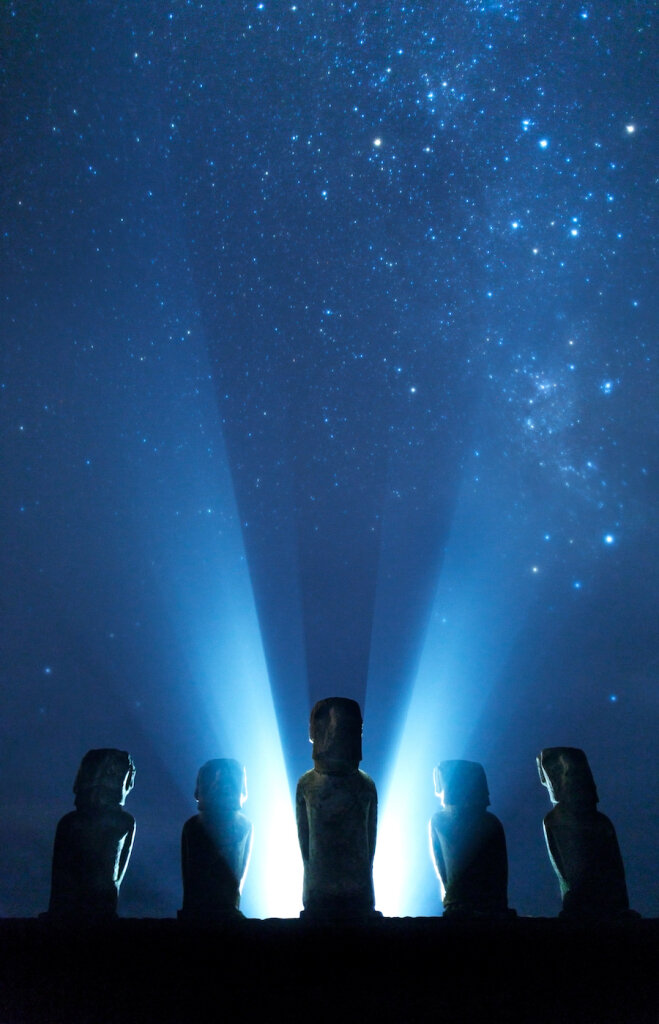
Nighttime at Ahu Tongariki. Photo by Paul Zizka Photography.

Ahu Tongariki. Photo by Paul Zizka Photography.

Ahu Tongariki. Photo by Paul Zizka Photography.

Ahu Tahai. Photo by Paul Zizka Photography.

Ahu Tahai. Photo by Paul Zizka Photography.

Ahu Huri a Urenga, the only Moai with four hands. Photo by Paul Zizka Photography.

Canadian Rockies Perpetual Calendars by Paul Zizka
Now available! Track birthdays, anniversaries and annual celebrations in this reusable calendar featuring stunning mountain photography by Paul Zizka.
Now available! Track birthdays, anniversaries and annual celebrations in this reusable calendar featuring stunning mountain photography by Paul Zizka.
Never forget another birthday or special occasion ever again! This clever calendar is not year-specific so you can keep note of important annual events. No need to transcribe each year! Put it up in your kitchen, office, bedroom, bathroom or high-traffic areas where you'll be reminded of what's coming up.

Perfect for Mother's Day or for the planners in your life (you?)!
Use this calendar to keep track of:
birthdays
anniversaries
holidays
significant life events
Get creative and use it for:
annual payments
car servicing
reminders for check-ups
and more!
Features
* Size: 8.27" x 11.69"
* Comes with a wire hanger feature for easy display and transition to next month.
* Writing surface is great for pens or pencils (erases well, too!)
* Heavy stock paper for calendar months makes it sturdy for reuse, year after year.
* Each month features a gorgeous, full-colour Canadian Rockies image.
* Printed in Canada.
* Ships worldwide!
Price does not include shipping/duties and taxes.


Extreme Blues and Bobbing by Icebergs: Antarctica
This latest trip to Antarctica was one for the memory books, filled with its highs and lows (including 7-metre waves in the Drake Passage!) and inclement weather that finally gave way to an incredible experience: five hours riding zodiacs through Charlotte Bay to photograph whales, iceberg and epic scenery. I'm already missing the sense of remoteness, scale and grandeur.
This latest trip to Antarctica was one for the memory books, filled with its highs and lows (including 7-metre waves in the Drake Passage!) and inclement weather that finally gave way to an incredible experience: five hours riding zodiacs through Charlotte Bay to photograph whales, iceberg and epic scenery. I'm already missing the sense of remoteness, scale and grandeur.
I have 7,000 or so frames to go through but wanted to show you an initial set of images! Enjoy this window into the latest journey to the White Continent.
As always, all images are available as limited-edition prints in a variety of sizes and format.

Fur seals swimming in impossibly blue water. Photo by Paul Zizka Photography.
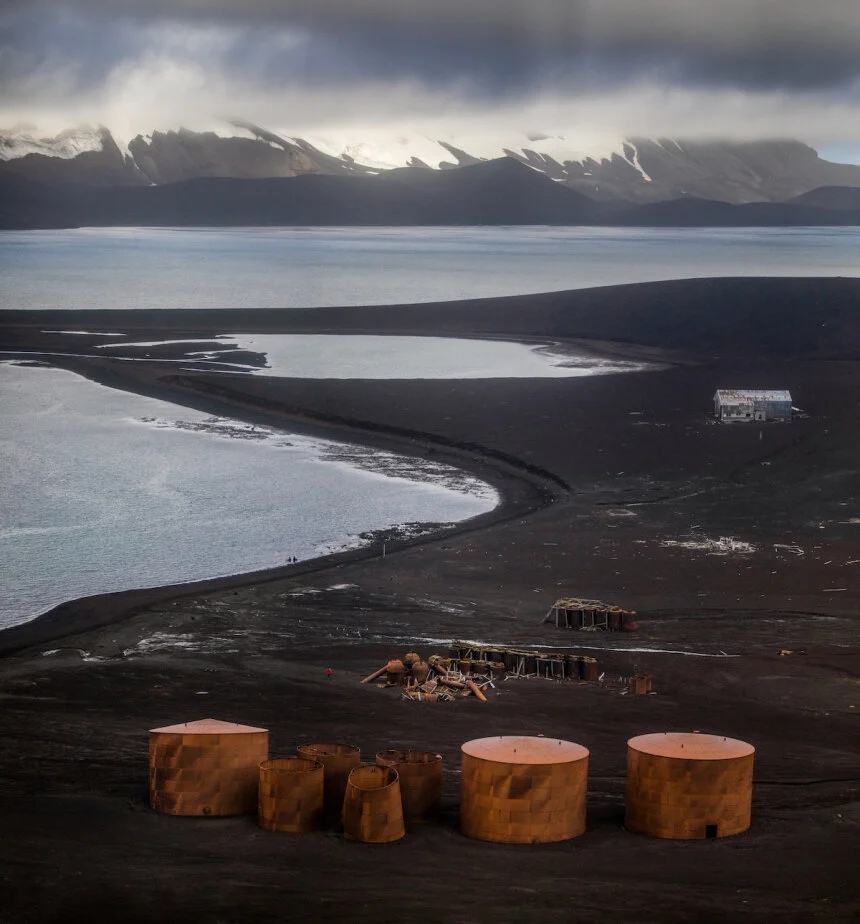
Deception Island. Photo by Paul Zizka Photography.

A mammoth iceberg. Photo by Paul Zizka Photography.

Moonrise over the Antarctic Peninsula. Photo by Paul Zizka Photography.

Huge ice features. Photo by Paul Zizka Photography.

Fur Seal on Deception Island. Photo by Paul Zizka Photography.

Stunning details in icebergs. Photo by Paul Zizka Photography.

Gentoo penguins at Dorian Bay. Photo by Paul Zizka Photography.

Zodiac provides a sense of scale to the enormity of the landscape. Photo by Paul Zizka Photography.
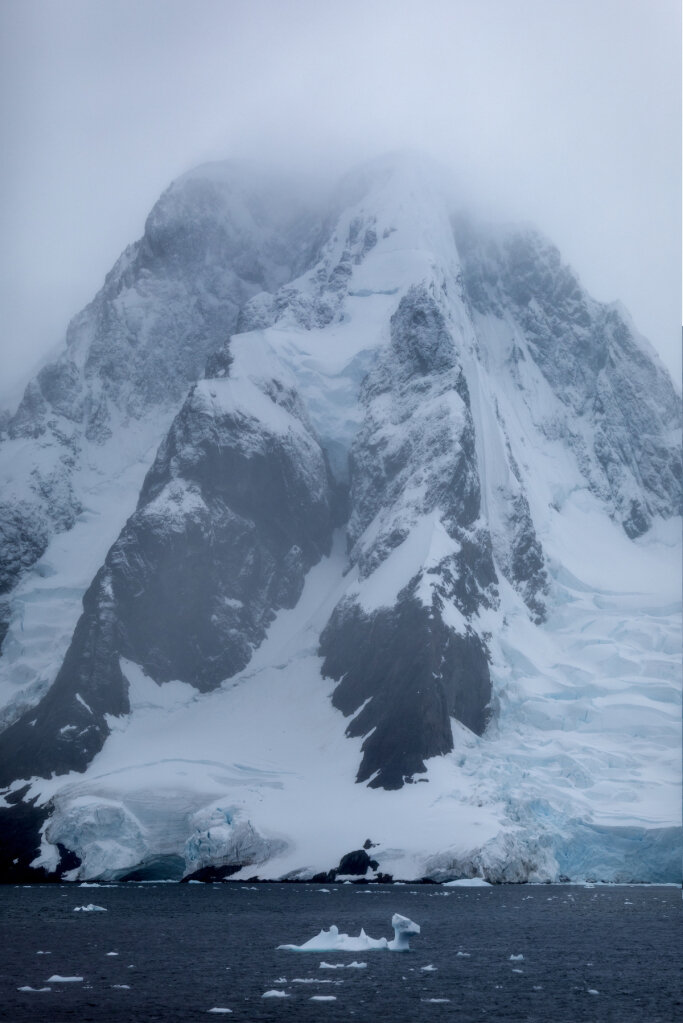
Peleno Strait. Photo by Paul Zizka Photography.

Banff at Its Winter Best
When the temperatures drop, the mountain environment transforms and gains new character – one that is especially appealing to me as a photographer. Mountains draped in white, sun bursting through fog on freezing cold mornings, a monochrome landscape... it all adds up to some spectacular photo potential!
When the temperatures drop, the mountain environment transforms and gains new character – one that is especially appealing to me as a photographer. Mountains draped in white, sun bursting through fog on freezing cold mornings, a monochrome landscape... it all adds up to some spectacular photo potential!
Here is just a selection of my favourite images from Banff National Park in wintertime. And if you're looking for the best places to shoot during the winter, I've compiled some of my top locations in my ebook: Paul Zizka's Guide to Photography in the Canadian Rockies (Banff to Lake Louise), which also includes a downloadable checklist of gear for outdoor photography.

Hoar frost at Vermilion Lakes. Photo by Paul Zizka Photography.

Banff's Pedestrian Bridge. Photo by Paul Zizka Photography.

Skating on Lake Minnewanka. Photo by Paul Zizka Photography.

Bow Falls. Photo by Paul Zizka Photography.
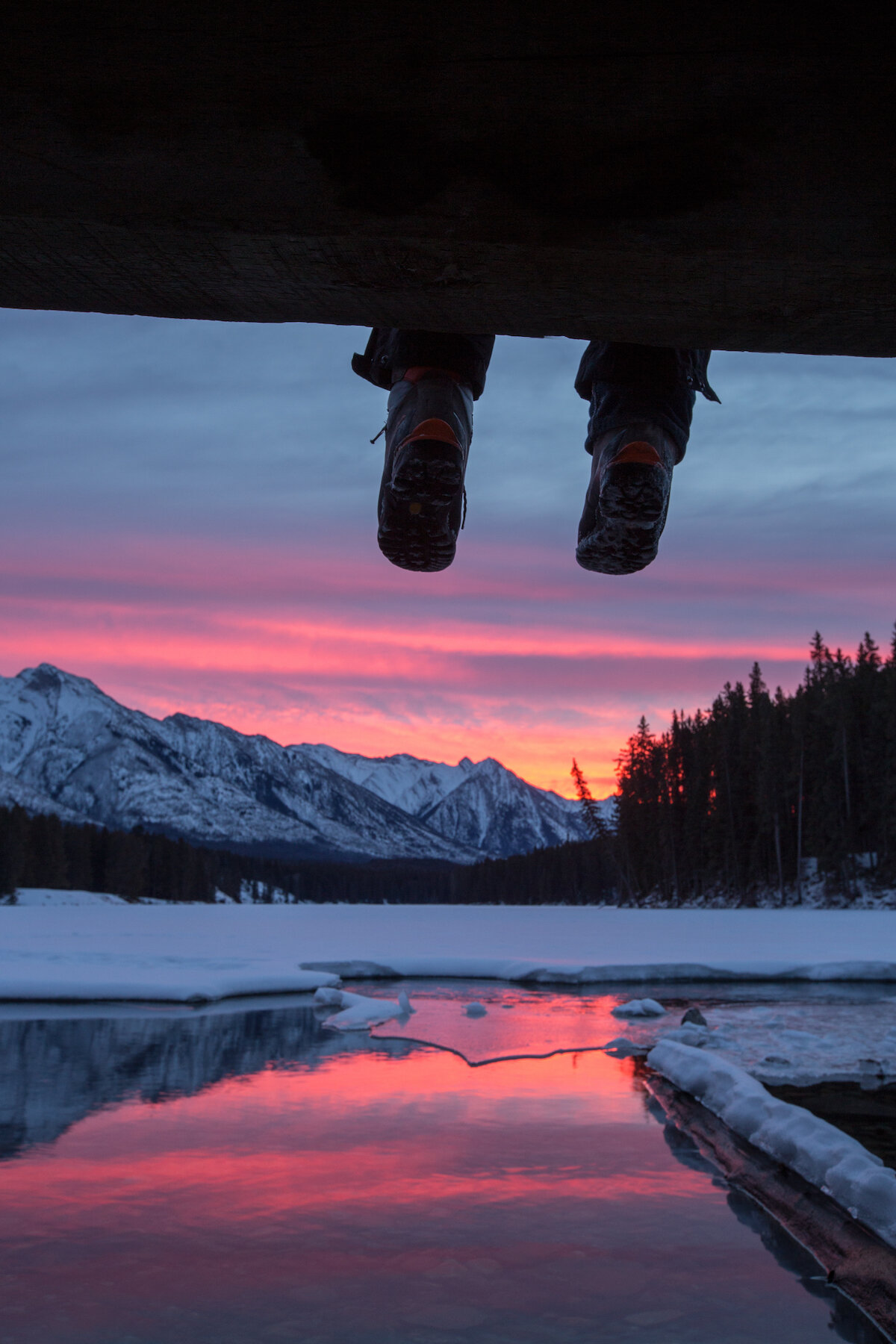
Johnson Lake, Banff National Park. Photo by Paul Zizka Photography.

Skating on Lake Minnewanka. Photo by Paul Zizka Photography.

Mt. Ishbel. Photo by Paul Zizka Photography.

Ice climbing at Johnston Canyon. Photo by Paul Zizka Photography.

The Canadian Rockies: Rediscovered Wins 'Mountain Image' at Banff Mountain Book Festival
I am extremely proud to announce that my second coffee-table style book of photography, The Canadian Rockies: Rediscovered, has won this year's category for Mountain Image at the Banff Mountain Book Competition.
I am extremely proud to announce that my second coffee-table style book of photography, The Canadian Rockies: Rediscovered, has won this year's category for Mountain Image at the Banff Mountain Book Competition.

From 2018 Book Competition Juror, Ian Welsted:
"Paul Zizka has produced an absolutely breathtaking collection of images of the Canadian Rockies. People from the world over visit the Rockies to take in these views; Zizka captures them at their most magnificent. Initially recognized for his aurora night photos this collection revisits the area with new themes. The result is a visual masterpiece."
Thank you to publishers Rocky Mountain Books for backing this project! Congrats to all the nominees and winners! You can view all of the winners here!
Looking for a copy? You can find locations for purchasing or order a signed copy of the book in the online store.

Paul Zizka's Guide to Photography in the Canadian Rockies (Banff to Lake Louise Edition)
Maximize your time and shoot like a local! In this 130-page opinionated guide, seasoned Rockies photographer Paul Zizka gives the inside scoop on 60+ locations between Banff and Lake Louise. Discover his top picks for subjects that are photogenic, inspiring and filled with creative potential.
I have spent the better part of the past 15 years exploring the Canadian Rockies. This has amounted to countless days and nights seeing what’s around the bend, bushwhacking, walking up creeks, and following my nose. Originally, I didn’t explore with the purpose of sharing information. I simply enjoyed being curious in the mountains. Most of the time, the camera stayed in the bag, until I finally bought my first DSLR in 2007.
Over the years, I pulled the camera out more often, and eventually launched into photography as a profession. I also gathered a great deal of information, and thought it would be a shame not to make that information available to others so that they can enjoy and photograph some of those special places. After all, I find it immensely rewarding whenever I get to play a small part in getting people out exploring and connecting with their creative side.
So, after many months of work, I'm excited to announce this ebook:
Paul Zizka's Guide to Photography in the Canadian Rockies – Banff to Lake Louise Edition

Maximize your time and shoot like a local! In this 130-page opinionated guide, seasoned Rockies photographer Paul Zizka gives the inside scoop on 60+ locations between Banff and Lake Louise. Discover his top picks for subjects that are photogenic, inspiring and filled with creative potential.
Special Features
* 60+ locations organized into regions:
In and Around Banff Town
Lake Minnewanka
Bow Valley Parkway
Banff to Lake Louise via HWY1
Lake Louise and Area
Year-round (four season) content with season-specific info for each location.
All major day hikes between the Town of Banff and Lake Louise.
The best spots to shoot aurora borealis, wildflowers and fall colours.
Easy-to-use symbols to guide you through each location, as well as access to online map.
Listing of resources, recommended books and apps for photographers.
Printable Gear Checklist for Outdoor Photography.
Suggested itineraries for 1 or 3 days in summer and winter.
© All contents copyright Paul Zizka and Meghan J. Ward, 2018.

10 Best Backcountry Stays in the Canadian Rockies
I'm all for wilderness, camping and nights spent in the fresh air, under a sea of stars. But, let's be honest, I also love home-cooked meals over a wood stove, a cozy bed and hard walls that keep out the wind and rain better than any tent could.
I'm all for wilderness, camping and nights spent in the fresh air, under a sea of stars. But, let's be honest, I also love home-cooked meals over a wood stove, a cozy bed and hard walls that keep out the wind and rain better than any tent could.
When you can combine the two, you get the most amazing experience, and thanks to some incredible lodging in the region, we have many options to choose from in the Canadian Rockies. When I'm lugging extra photo gear, not having to pack the tent and cooking supplies is an added bonus.
Here are some of my personal favourites, in no particular order:
1. Skoki Lodge
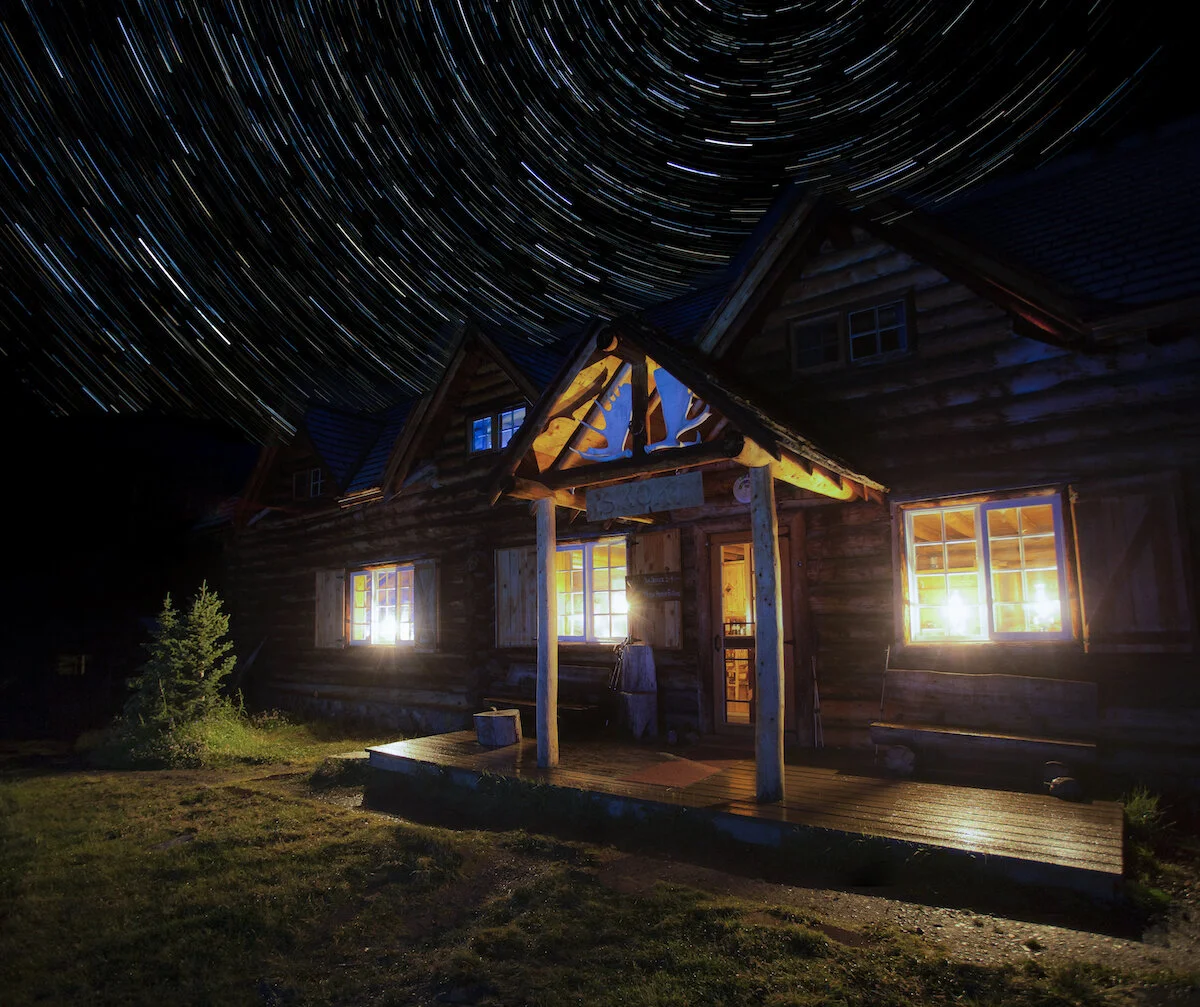
Skoki Lodge. Photo by Paul Zizka Photography.
Possibly one of the most magical of backcountry lodge experiences, Skoki Lodge has a charm unto itself and is chock full of history. Accessible in both winter and summer, it gives backcountry skiers the hikers a great base for exploring the famous Skoki region.
2. Scott Duncan Hut
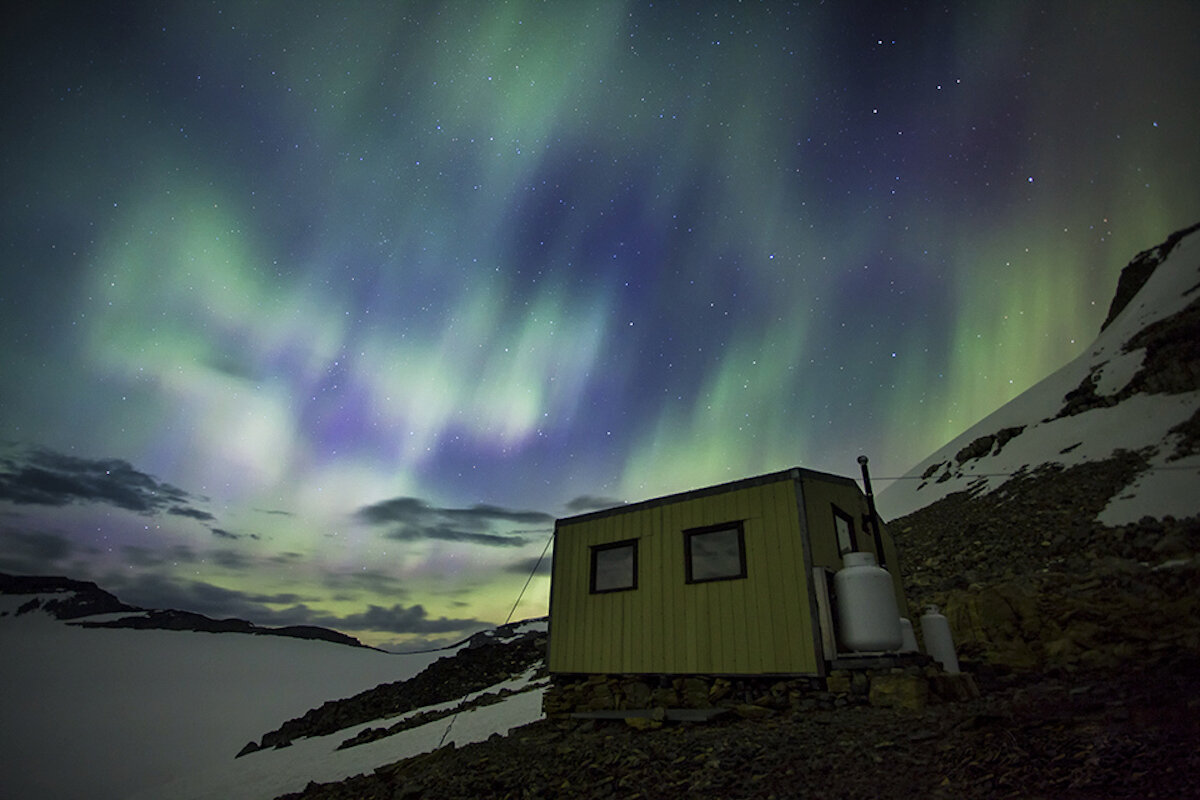
Scott Duncan Hut. Photo by Paul Zizka Photography.
One of the lesser-visited huts in the chain of alpine huts run by the Alpine Club of Canada, Scott Duncan Hut can be linked to other huts on the Wapta/Waputik icefields, or accessed on its own via Sherbrooke Lake.
3. Shadow Lake Lodge
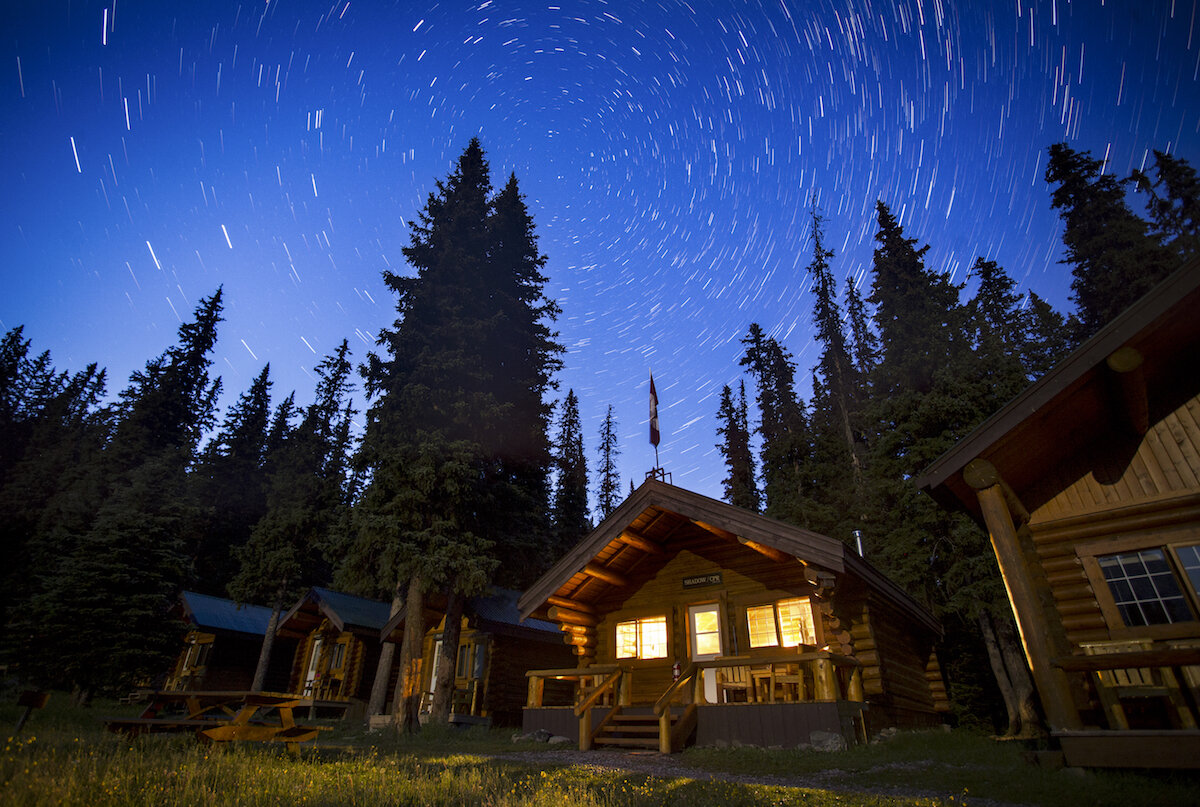
Shadow Lake Lodge. Photo by Paul Zizka Photography.
Now owned and operated by the Alpine Club of Canada, Shadow Lake Lodge has a series of cabins and communal hanging out/dining cabins for guests to enjoy. Nestled in a beautiful meadow, it's the perfect base for day hikes in the region.
4. Lake O’Hara Lodge

Lake O’Hara Lodge. Photo by Paul Zizka Photography.
I hear Lake O'Hara Lodge is booked out far in advance, and for good reason. For one, you can actually take a bus to it (whereas most of the other options here require some hiking or skiing). Situated near the shore of beautiful Lake O'Hara, the lodge has a longstanding tradition of backcountry hospitality and is the gateway to some of the best hiking in all of the Canadian Rockies.
5. Elizabeth Parker Hut

Elizabeth Parker Hut. Photo by Paul Zizka Photography.
Named after one of the founders of the Alpine Club of Canada, Elizabeth Parker Hut is also accessible via the Lake O'Hara bus. It is one of the club's most accessible huts and features a wonderful sleeping/communal area (with a wonderful wood stove), kitchen, and access so remarkable hiking and skiing terrain.
6. Peyto Hut

Peyto Hut. Photo by Paul Zizka Photography.
This alternate perspective on Peter and Catharine Whyte (Peyto) Hut shows just how much snow and ice surrounds it. Located on the Wapta Icefield, adventurers can link it together with the other Wapta Huts or use it as a base to climb nearby peaks.
7. Mount Assiniboine Lodge

Mount Assiniboine Lodge. Photo by Paul Zizka Photography.
Built in 1928, Assiniboine Lodge was the first backcountry ski lodge in North America. It can be accessed via ski, hike or helicopter, and gives backcountry enthusiasts access to one of the region's most famous views: Mt. Assiniboine, considered the "Matterhorn" of the Canadian Rockies.
8. Bow Hut

Bow Hut. Photo by Paul Zizka Photography.
See that beige speck on the rocky outcropping beneath the glacier? That is the incredible Bow Hut, another Alpine Club of Canada hut. This is one of the gateways to the Wapta Traverse and various mountaineering objectives, but it is also a great destination for an overnight hike, and perhaps a sunset stroll up "The Onion."
9. Abbot Pass Hut

Abbot Pass Hut. Photo by Paul Zizka Photography.
If you truly want a backcountry experience like no other, Abbot Pass Hut, nestled at the pass between Mts. Victoria and Lefroy, offers a memorable stay. Originally built in 1922 to house early mountaineers, today hikers also enjoy the stone hut (though it does involve some scrambling to get there!). Update: Parks Canada slope remediation work continues at Abbot Pass Hut and the ACC is not taking summer bookings at this time.
10. Neil Colgan Hut
If I had to pick a favourite, Neil Colgan Hut might be it – the highest permanent structure in Canada at 9,700 feet. It is truly a mountaineer's hut, with no straightforward way of accessing it, and gives you access to the famous ten peaks. Many memorable nights have been spent here under the stars.

Neil Colgan Hut. Photo by Paul Zizka Photography.
There are many more where that came from. In particular, check out the full listing of Alpine Club of Canada huts on their website.